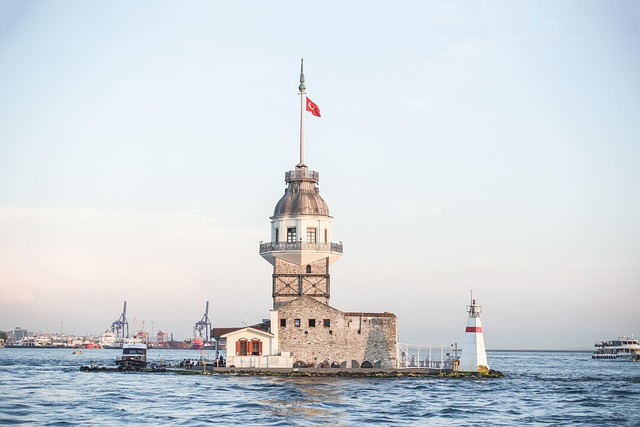
Real Estate near attractions presents a strategic opportunity by capitalizing on high foot traffic. Developers create mixed-use developments and convert historic buildings into boutique hotels, achieving significant property appreciation and premium rents. Success requires thorough market analysis, understanding demographics, and aligning investments with tourist activity. By offering tailored amenities and targeted marketing, businesses maximize satisfaction and profitability, enhancing the visitor experience while contributing to destinations' vibrancy and economic diversity.
In today’s dynamic economic landscape, generating supplemental income has become a strategic necessity for many individuals and families. As we navigate an increasingly competitive job market, exploring alternative revenue streams near popular attractions offers both financial freedom and unique opportunities. Real estate, naturally, plays a pivotal role in this context. This article delves into the strategies and insights needed to capitalize on the vibrant potential surrounding tourist hotspots, providing a comprehensive guide for those seeking to diversify their income streams through strategic real estate investments.
Explore Real Estate Opportunities Near Touristic Hotspots

Generating supplemental income near attractions is a strategic move that leverages high foot traffic to maximize returns. One of the most promising avenues to explore is real estate opportunities adjacent to tourist hotspots. The natural synergy between vibrant locations and housing demands creates a robust market for investors. For instance, cities like New York and London have seen significant appreciation in properties within close proximity to iconic landmarks and popular districts. According to recent studies, these prime areas can command premium rents, offering attractive returns on investment.
Real estate developers who recognize the potential of these locations often engage in intelligent land use planning. They construct mixed-use developments that blend residential spaces with commercial outlets, restaurants, and entertainment venues. Such integrated solutions cater to the diverse needs of visitors and locals alike, ensuring a constant demand for accommodation and services. For example, the conversion of historic buildings into boutique hotels near cultural hubs has proven lucrative, appealing to both tourists seeking authentic experiences and residents looking for unique living spaces.
To capitalize on this strategy, investors should conduct thorough market analyses to identify emerging trends and unmet needs in specific areas. Understanding local demographics, tourist patterns, and competition is crucial. Consulting with real estate experts who specialize in tourism-driven markets can provide valuable insights. By aligning investments with the natural rhythm of tourist activity, developers and investors can ensure steady occupancy rates and capitalize on peak seasons effectively. This approach not only generates substantial income but also contributes to the vibrancy and economic diversity of popular destinations.
Strategize for Success: Location, Amenities, and Target Market

Strategizing for success when generating supplemental income near attractions involves a delicate balance of location, amenities, and target market. The choice of location is paramount; attractions themselves are magnets for tourists, offering a natural influx of potential customers. However, not all real estate near an attraction will be equally lucrative. High foot traffic alone does not guarantee success—the key lies in understanding the demographics and preferences of your target audience. For instance, a family-friendly theme park attracts a different market than a high-end art gallery, necessitating tailored offerings to cater to each.
Amenities play a crucial role in enhancing the visitor experience and encouraging longer stays. Consider developing accommodation options that offer easy access to nearby attractions, such as boutique hotels or vacation rentals with themed decor. Additionally, providing on-site services like tour bookings, ticket sales, or even a small convenience store catering to tourists’ needs can increase footfall and revenue. For example, a hostel located near a popular hiking trail offering guided tours and equipment rentals not only provides accommodation but also generates additional income through ancillary services.
Target market analysis is essential for tailoring your offerings. Demographic data can guide decisions on pricing strategies, marketing campaigns, and the types of amenities most sought after. Younger travelers, for instance, may be drawn to budget-friendly options and interactive experiences, while affluent visitors might prefer luxury accommodations and exclusive services. Adapting to these preferences through market research ensures that your business appeals directly to its intended audience, maximizing both satisfaction and profitability.
Maximizing Profits: Marketing and Guest Experiences

Creating a supplemental income stream near attractions can significantly boost profits and enhance guest experiences. Marketing strategies should be targeted and multi-channel to reach a diverse audience. Leveraging local real estate, both physical and intangible, is key. For instance, partnering with nearby hotels or hosting events in historic buildings can attract tourists and locals alike. Data from industry reports shows that experiential marketing increases visitor spending by up to 40%, underscoring its importance.
Focus on crafting unique guest experiences that tell a story about the location’s history or culture. This could involve guided tours, interactive exhibits, or themed events. For example, a city known for its architecture can offer walking tours highlighting notable designs, selling tickets and creating a memorable experience. Real estate in terms of space and ambiance becomes a powerful tool; an old warehouse converted into a gallery can host pop-up exhibitions, drawing art enthusiasts and contributing to the local economy.
Effective marketing also involves leveraging digital platforms. Social media campaigns that showcase behind-the-scenes content or exclusive deals can entice visitors. Email newsletters with personalized recommendations based on past purchases or interests can encourage repeat visits. By integrating technology like mobile apps for self-guided tours, attractions can cater to tech-savvy travelers and enhance their overall experience.
Finally, measure the success of these strategies using analytics tools to track visitor demographics, preferences, and spending patterns. This data informs future marketing efforts and allows for continuous improvement in guest experiences. By combining strategic marketing with immersive experiences centered around local real estate, attractions can maximize profits while creating lasting memories for visitors.